
Email: linyiyuping@hotmail.com | WhatsApp | Mobile: +86 15605390885
English 




| Quantity: | |
|---|---|

Length 2,500mm, defect-free length at least 2,200mm Width 650/750/800/850/950/1250mm
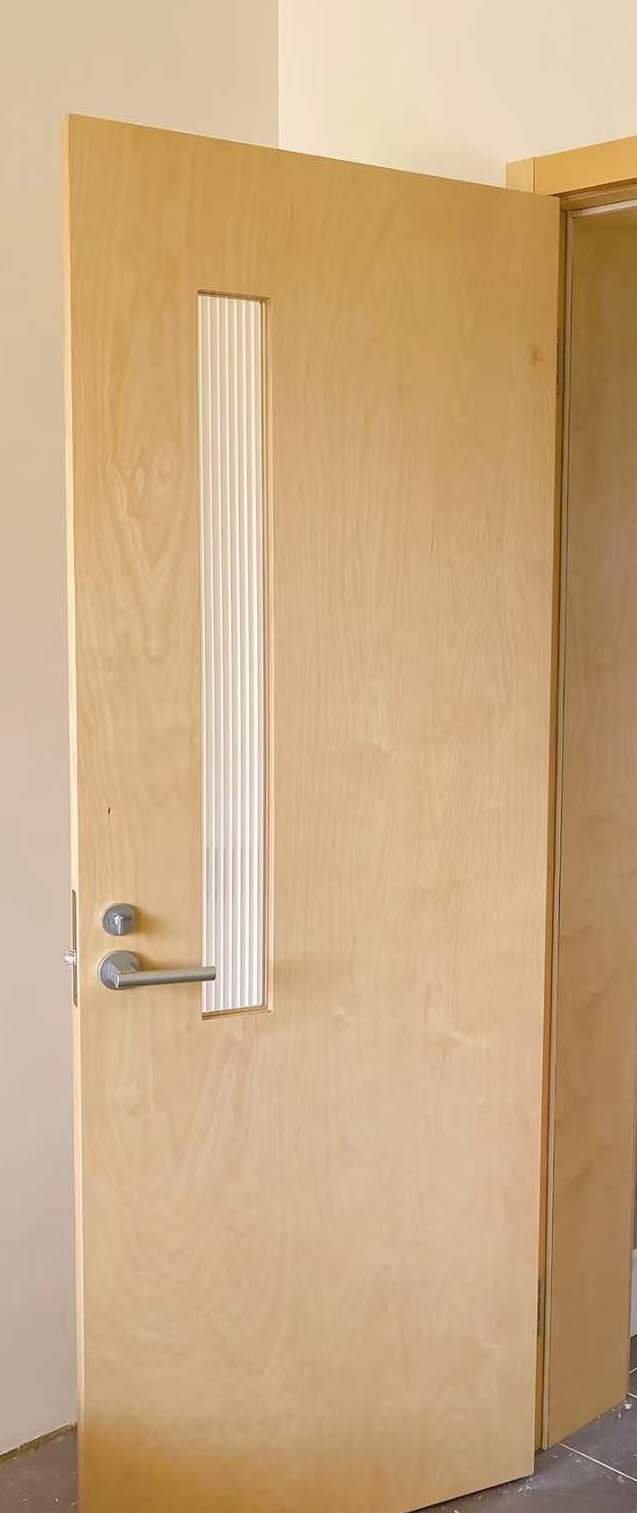
Premium rotary cut birch veneer engineered for door skin applications — defect-free, pale yellow, and dimensionally specified for standard door heights up to 2500mm.
The Product
A door skin is the outermost visible face layer of a door panel. When produced from birch veneer, it delivers the natural beauty and warmth of solid birch wood on a lightweight, stable, engineered core — at a fraction of the cost of a solid birch door.
Birch is one of the most widely specified species for door skin veneer worldwide, valued for its pale yellow-cream colour, fine and consistent straight grain, and the clean, defect-free surface it produces at DAA/AB grade. The light colour allows it to accept a wide range of stain tones — from natural birch clear finish to tinted oak, maple, or walnut tones — or to be painted with minimal undercoat preparation.
Our rotary cut production method delivers large, continuous sheets from each log — essential for single-piece door skin coverage without seam lines across the door face.
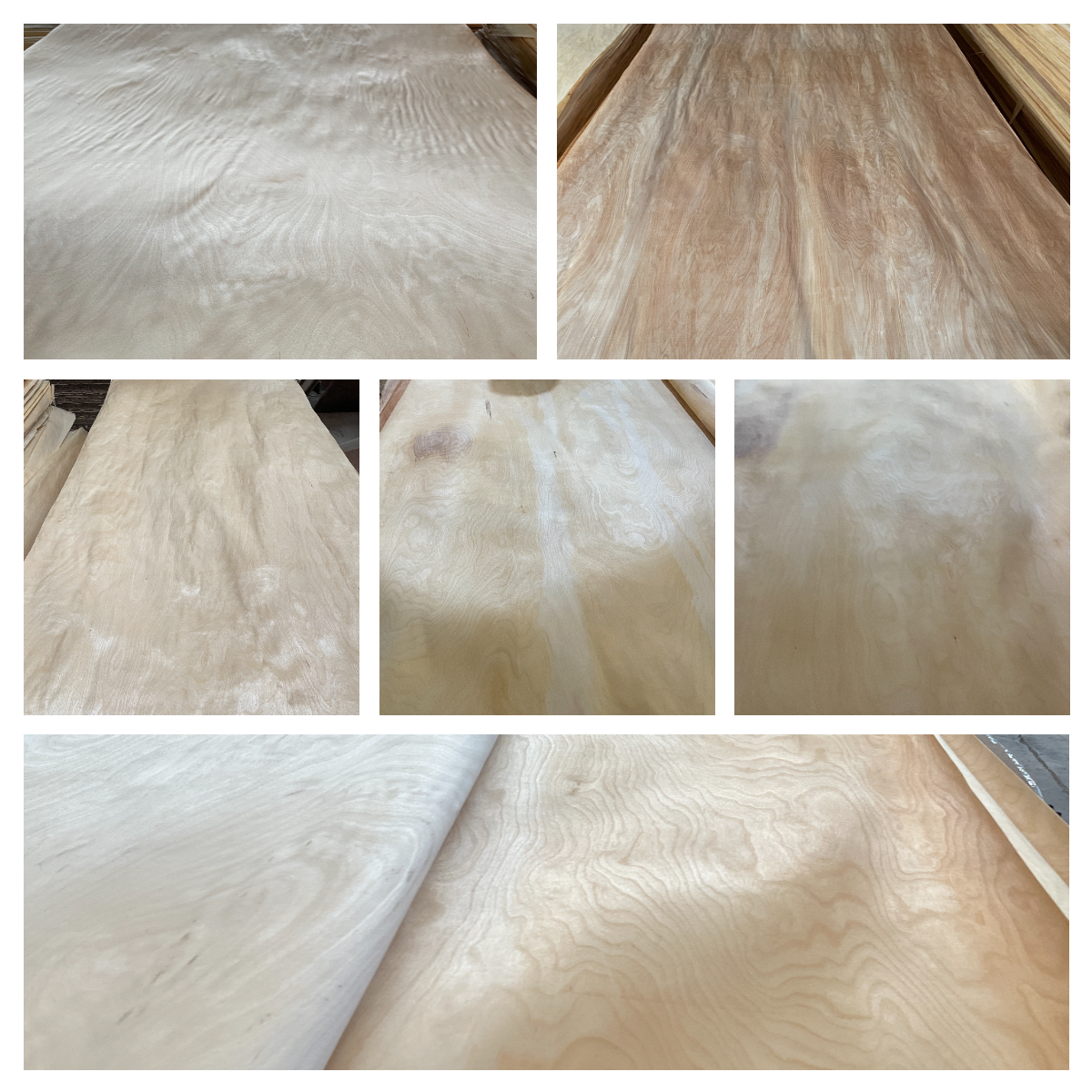
Smooth, uniform, pale yellow surface — no heartwood, no knots, no splits, no surface defects. Both face and back meet premium grade requirements.
Key Advantages
Birch's light, pale yellow colour and fine, consistent straight grain create a clean, modern, timeless look — versatile enough for contemporary minimalist interiors and traditional architectural settings alike.
Veneer doors use a fraction of the solid wood required for a solid birch door, significantly reducing material cost while delivering an identical natural wood appearance on the visible surface.
Unlike solid wood, birch veneer on an engineered core resists warping, cracking, and splitting. The core maintains consistent dimensions across seasonal humidity changes that would cause a solid wood door to stick or gap.
The defect-free pale surface accepts stain (natural, oak, walnut, maple tones), paint (minimal preparation needed), lacquer, and UV coating — giving designers full creative flexibility from a single substrate.
Technical Specifications
Thinner, more flexible — ideal for automated hot press production lines where hydraulic pressure ensures perfect contact across the full panel. Lower per-sheet material cost for high-volume operations.
Best for: Flat panel factory press production · Automated door manufacturing lines
Thicker gauge provides more margin for sanding after application without risk of sanding through to the substrate. More forgiving for hand-application and workshop settings. Preferred for premium furniture and doors where multiple sanding passes are part of the finishing process.
Best for: Premium furniture · Multi-sand finishing · Workshop application.

Veneer vs Solid Wood
| Property | Birch Veneer on Engineered Core ✓ | Solid Birch Door |
|---|---|---|
| Visual appearance | ✓ Identical natural birch | Natural birch |
| Dimensional stability | ✓ Excellent — core controlled | Expands/contracts seasonally |
| Warp resistance | ✓ High — engineered core | Susceptible to humidity change |
| Weight | ✓ Lighter | Heavy |
| Material cost | ✓ Significantly lower | High — full solid birch |
| Large sheet availability | ✓ Full door height in one piece | Limited by timber dimensions |
| Finish options | ✓ All — stain, paint, lacquer | All |
| Defect consistency | ✓ DAA/AB grade guaranteed | Variable — natural material |
Application Guide
A straightforward process that delivers a professional, long-lasting result when each step is followed correctly.
Measure the door panel and cut the veneer to size, leaving 5–10mm overhang on all edges. Overhang is trimmed flush after bonding cures.
Use a straightedge and sharp utility knife for clean cutsEnsure the substrate is clean, completely dry, dust-free, and sanded smooth. Surface contamination or unevenness telegraphs through thin veneer.
Sand to 120 grit — remove all dust before gluingSpread a thin, even layer of PVA wood glue or contact cement on the substrate. For contact cement, coat both surfaces and allow to become touch-dry before joining.
Thin, even coats outperform thick uneven applicationCarefully align the veneer on the substrate. Press firmly from the centre outward using a veneer roller to eliminate air pockets and ensure full contact across the panel.
Work from centre to edges — never from one edge acrossApply even pressure across the full panel surface using cauls and clamps or a cold press. Maintain pressure for the adhesive's full open time — typically 30–60 minutes for PVA.
Even pressure prevents edge lifting and bubblesTrim the overhang flush with a sharp utility knife or veneer trimmer. Sand with 180–220 grit, remove dust, and apply your finish — stain, lacquer, paint, or clear coat.
Sand with grain direction for the cleanest surfacePro tip for 0.5mm veneer: After curing and initial trimming, the 0.5mm gauge allows a light sanding pass (180 grit) to ensure a perfectly flat surface before final finishing — without risk of sanding through the veneer face. This produces a noticeably smoother finish on stained and lacquered surfaces.
Applications
The primary application — residential and commercial interior flush door skins. Single-piece coverage from 650–1250mm width eliminates seam lines.
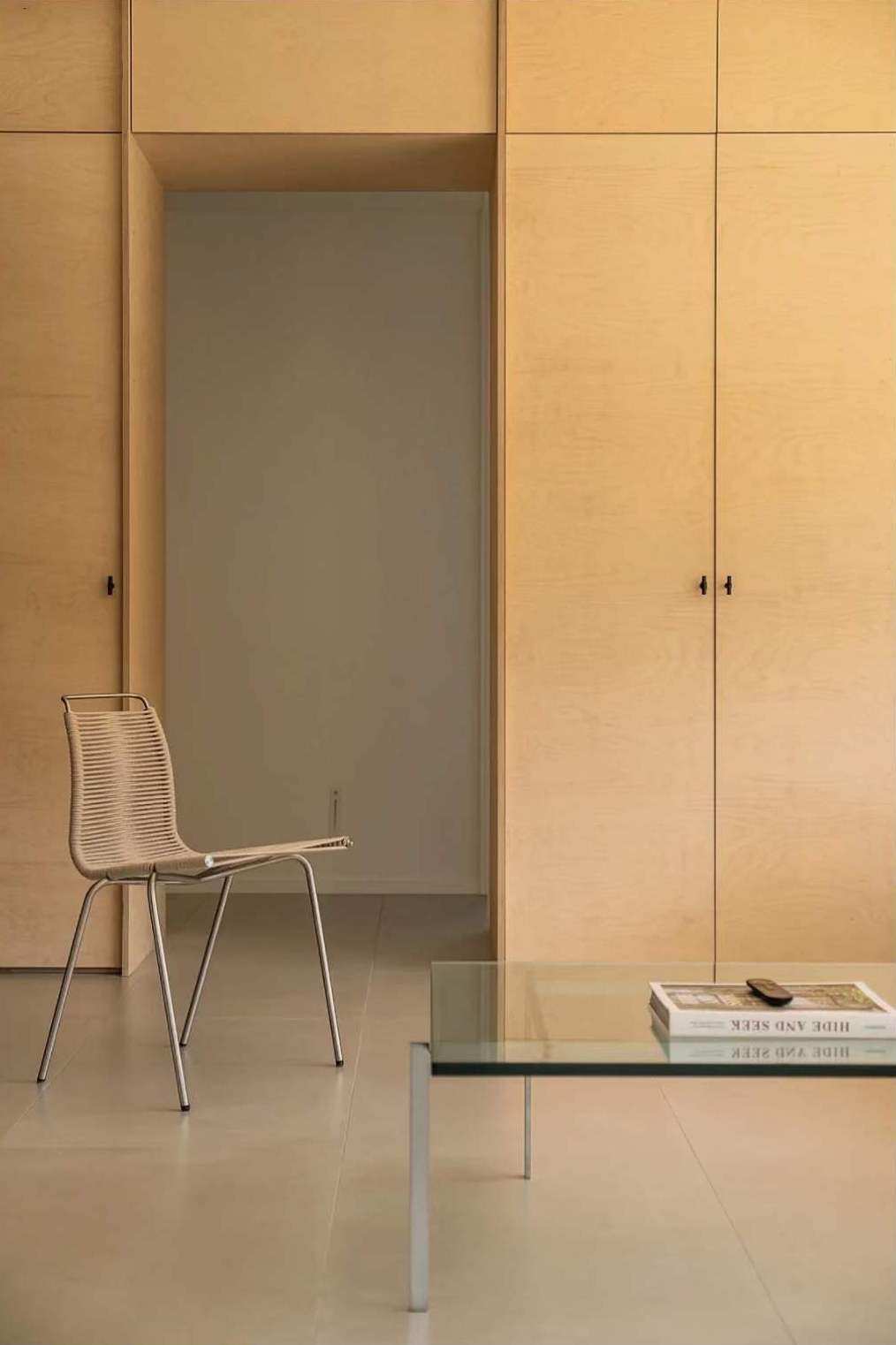
Cabinet doors, wardrobe panels, drawer fronts, and flat-pack furniture components requiring a premium natural wood face.
Face veneer for plywood, MDF, and blockboard decorative panels used in interior construction and millwork.
Wall panels, ceiling boards, wainscoting, and architectural millwork elements requiring a consistent birch surface.
Office doors, reception paneling, hotel room doors, and commercial interior elements requiring durable, consistent surface quality.
Decorative top layer for engineered flooring boards where the consistent pale colour and fine grain of birch are specified.
FAQ
Tell us your required thickness (0.2mm or 0.5mm), width range, quantity, and application. Free samples available on request.


